10 Reasons why you're going to love cruising in Vanuatu.
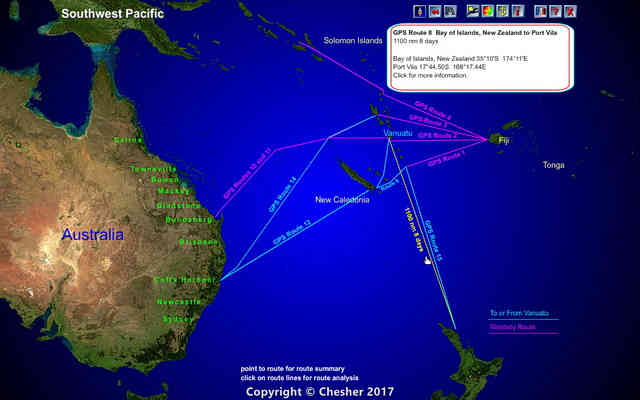
1. Vanuatu is Central to SW Pacific Cruising
Vanuatu is 332 nautical miles from Noumea, New Caledonia, 522 nautical miles from Lautoka, Fiji, 1067 nautical miles from Bundaberg Port Marina in Queensland and 928 nautical miles from the Bay of Islands, New Zealand. Vanuatu has a central place in any South Pacific cruising season. You'll find details on how to make happy passages to Vanuatu in the Cruising Guide.
Read more2. Easy Sailing between Islands
Vanuatu has about 80 volcanic islands, offering easy, deep water sailing without dangerous reef passes or shallow areas to navigate. The islands are close enough together to day-sail up the entire island chain and back again.
Read more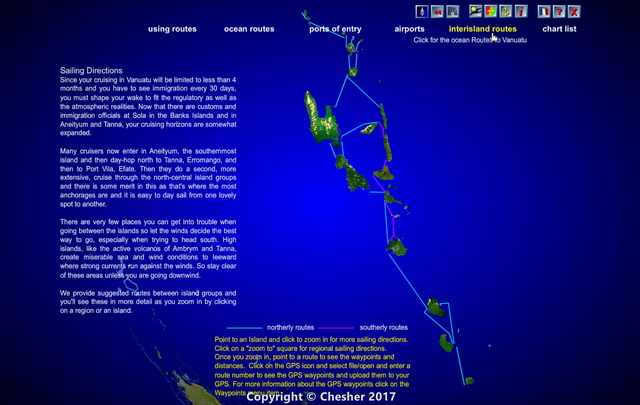
3. Ancient Cultures
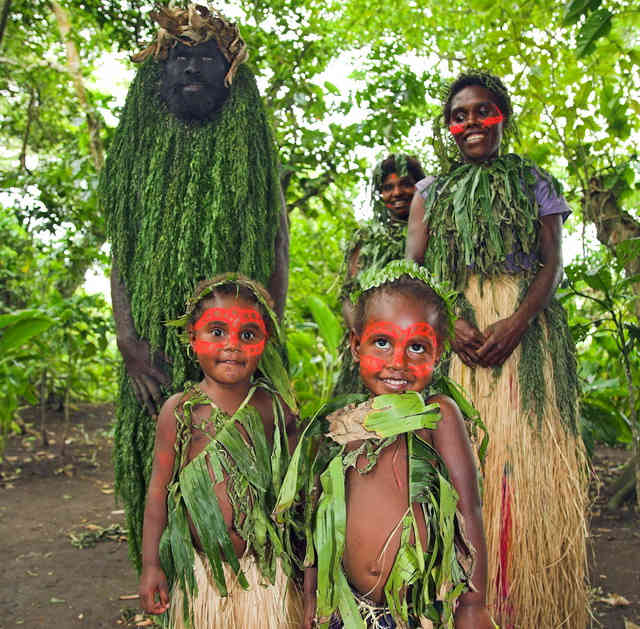
Vanuatu is one of the few places on Earth where you can enter into a very ancient culture and contact your deepest roots and connections with the natural world and feel safe and comfortable at the same time.
Read more4. Wonder
Security, peace, a sense of wonder at the scenic splendor of nature, garnished with a culture that goes back thousands of years. These are some of the reasons cruising people from all over the world cherish their visit to the islands of Vanuatu. .
Read more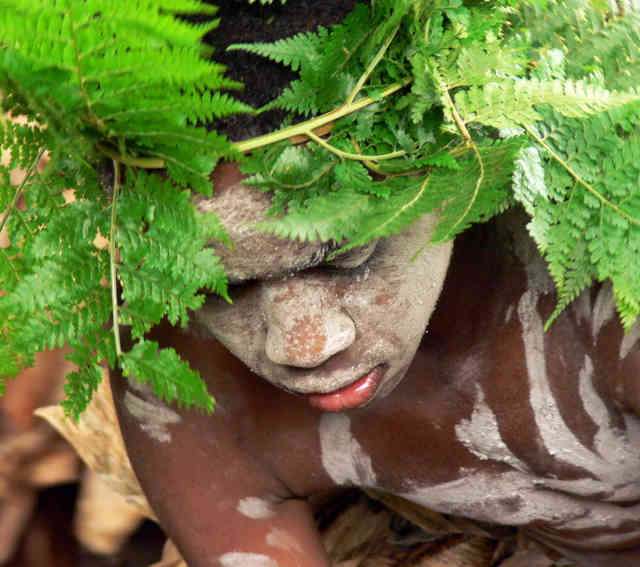
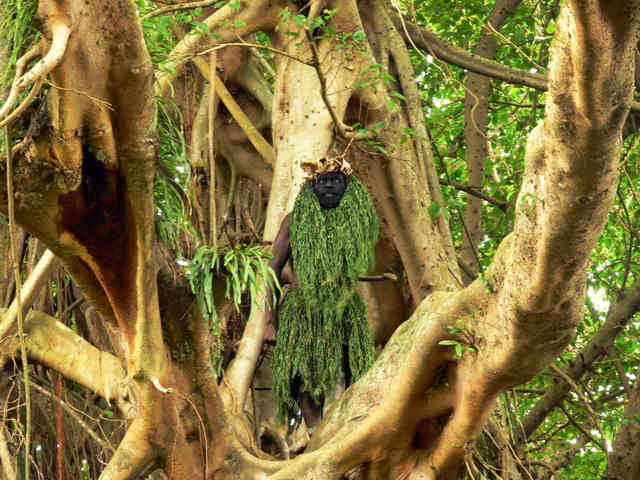
5. Tradition
The people of Vanuatu have a very strong and enduring attachment to their islands and their environment. In the more remote islands the people still follow their ancestral traditions and their artwork, dances, music, and dress will transport you to an era before the concept of time began.
Read more6. Nice
Their sense of community and culture give the ni-Vanuatu people a kind of peace and friendliness that extends to visitors and residents from other lands. They are, in a word, nice. The ni-Vanuatu people are multilingual. Everyone speaks their own village language plus the universal Bislama, a English/French pidgin that you will quickly pick up. Most of the people also speak English and French.
Read more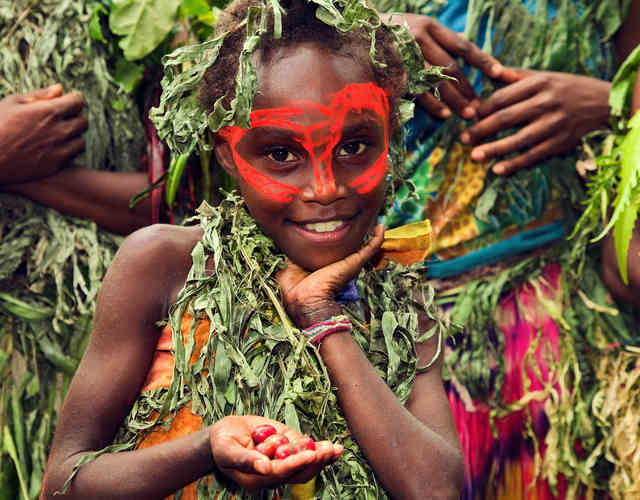
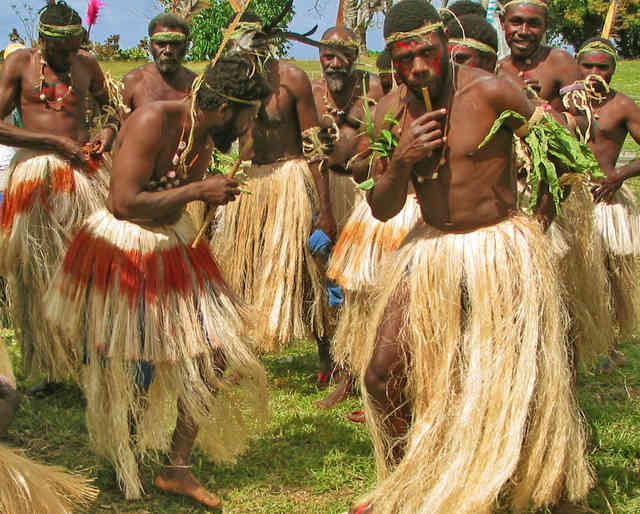
7. Dancing
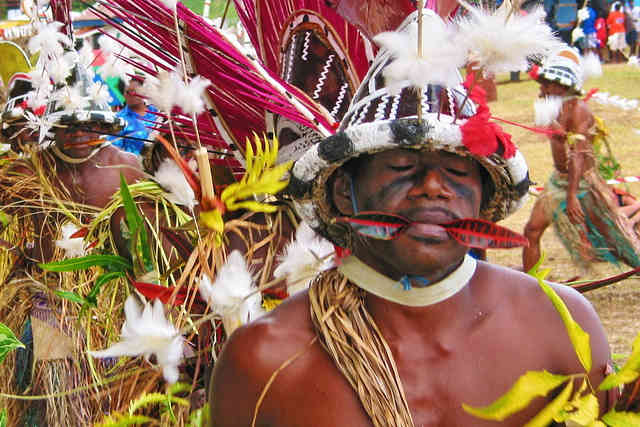
Every Vanuatu Island organizes dances and festivals for their own enjoyment and to help keep their "custom road" strong. Visiting yachts are welcome to come and watch the fun. Yacht crews are treated as special guests and the villagers truly enjoy the visit.
Read more8. Welcome
Generally, the more remote the location, the more amazing the costumes and festivities. These dancers from Ureparapara in the Banks Islands rely on story-telling and dance to keep their culture thriving. Visiting yachts are often the only outsiders who ever get to witness these festivals. This photo is an amazing example of welcome for the yacht Bamboo Free that stopped by for a visit after rescuing some villagers whose outboard motor quit while their small boat was between islands.
Read more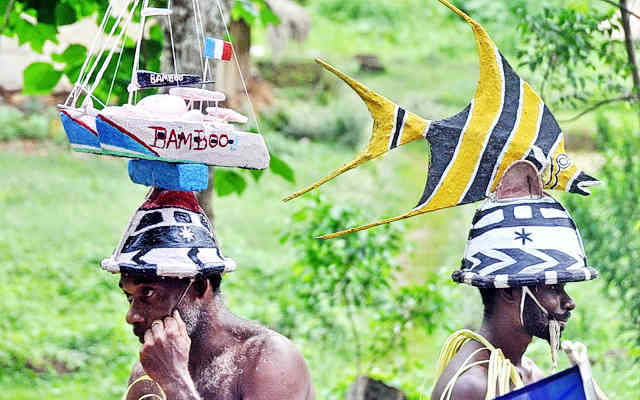
9. Magic.
Some of the festivals are organized on an annual basis so yachts will know when they are happening and can plan their cruise so they can attend. These include fesitvals in Gaua, Southwest Bay Malekula, and in Ambrym. The Ambrym Back to My Roots festival is one of Vanuatu's best known out-island festivals. Ambrym is an active volcano and the people there are believed to have very powerful magical abilities.
Read more10. Wilderness areas and trekking.
There are interesting treks through wilderness areas on all of the islands. The chief of the village will assign a guide to show you the local waterfall or accompany you to the top of a live volcano, or walk through a forest of giant ancient trees or maybe explore a taboo ancestorial site with cave paintings. You'll be constantly amazed and surprised by Vanuatu and it's people.
Read more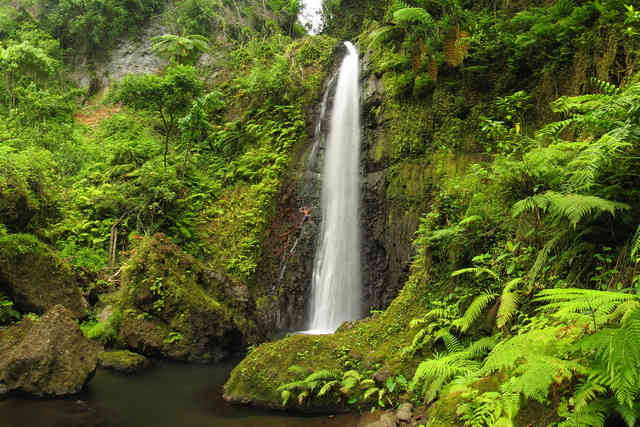
Plus One Extra
Special Reason
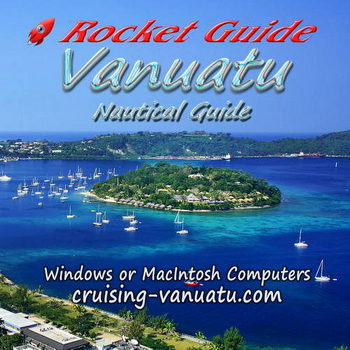
The comprehensive and accurate, easy to use, interactive Rocket Cruising Guide to Vanuatu. There are no other destinations in the world with cruising and tourism guides like the Rocket Guides to Vanuatu and New Caledonia. Plan your cruise in advance and have more fun when you arrive.